
Finding Hope in the Darkness
How do we respond to the looming darkness?

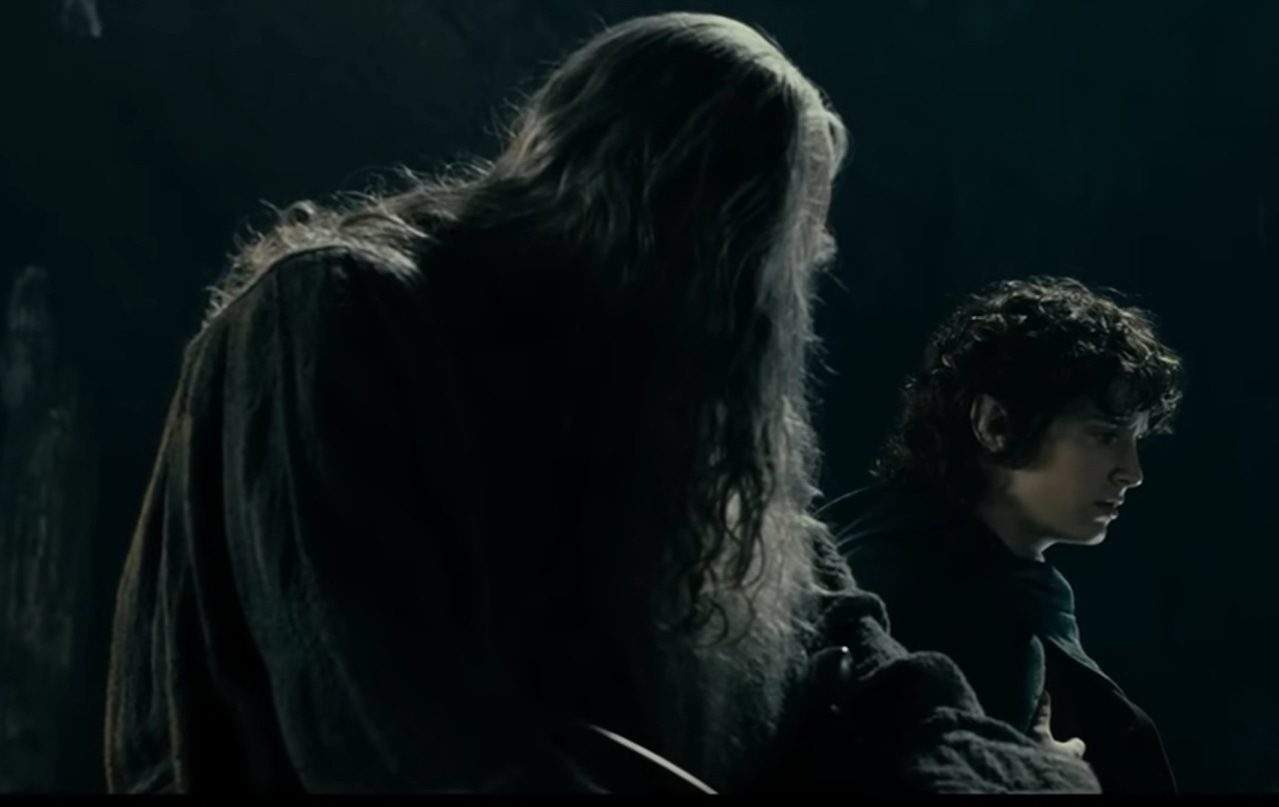
“I wish it need not have happened in my time,” said Frodo.
“So do I,” said Gandalf, “and so do all who live to see such times. But that is not for them to decide. All we have to decide is what to do with the time that is given us.”
The Fellowship of the Ring, The Lord of the Rings, p. 50.
When J.R.R. Tolkien wrote those words in the 1950s he was primarily thinking about the recent World Wars, the last of which had ended less than a decade before. The words became more quotable at the start of the 21st century when Gandalf spoke to Frodo in the caves of Moria in the movie version of the story (which places them at a different time than in the books).
In 2026, it increasingly feels that we are seeing such times again and that we would all like a Gandalf to be there for us, offering words to calm and strengthen our resolve. The threat of global war combined with unchecked climate change and ecological decline makes it extremely difficult to remain hopeful.
It is easy to give up on hope; to fail to see the light in the looming darkness before us. But the light is there and always is, we just need to see it and believe in it. When Gandalf asked us to consider “what to do with the time that is given us”, it was a call to not just take actions that are right but to focus inside of ourselves and ask what can I do? What realistically can I do? Few of us have the power to make great changes by ourselves, but we are not alone, and it is now time to realise that properly. You are not alone, none of us are. Many small actions by many people can transform the world.
I ended the last of the ‘climate change’ essays a fortnight ago with Sir David Ramsden, a British economist from the Bank of England, explaining that we are in the midst of the sixth mass extinction and that there is a very real possibility that our civilisation is on the brink of collapse!
“I wish it need not have happened in my time”, the words of Frodo called to me as I listened to that video.
We need to be aware of this reality, of course, but I struggle to focus my energy on it. The darkness is too overwhelming, too powerful, and the light seems but a dull ebb, particularly in the last few years. Focusing on the darkness is necessary sometimes. It needs to be seen and understood for what it is. However, it is equally all too easy for it to consume us whole.
Of course, Gandalf’s words in The Lord of the Rings, was to help Frodo prepare for the likelihood of battle and danger. In a way, he was preparing Frodo to become a soldier. We could take from this that what we must contribute is our willingness to fight, but it should be remembered that physical combat is not the only kind of fighting. We should remember that there are many characters in the story that play a crucial role but do not directly involve themselves in battle. They carry the light and the hope in a different way.
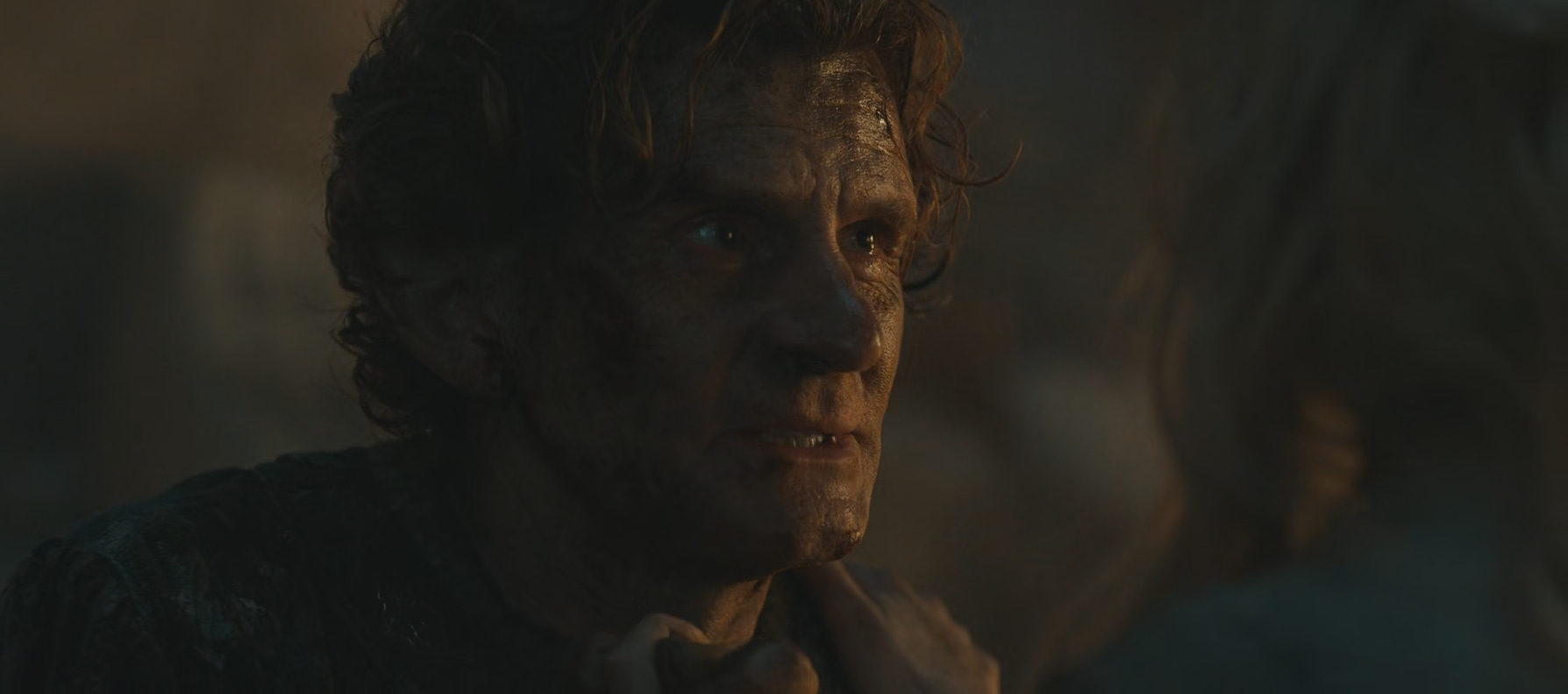
Ironically, The Rings of Power, the Lord of the Rings spin-off series offers a suggestion for how to make use of Gandalf’s advice without seeking battle or throwing oneself into actions that might lead to death or prison. Last year I watched the second series of the show and in the penultimate episode Celebrimbor told Galadriel about how it is the light that gives hope, not strength.
“It is not strength that overcomes darkness, but light. Armies may rise, hearts may fail, yet still, light endures, and it is mightier than strength. For in its presence, all darkness must flee”.
To see the light, it must come from within, but it also requires action and connection. What can we do? We can resist the darkness by not letting worries about it overwhelm us, but by making changes to our own lives which we wish to see in society more widely. If we try to create the world that we would like to see through ourselves, then we can hope that others might do the same. This is how a movement is born, one that can be non-violent, but powerful.
Yes, the orcs of this world might overwhelm all that we try to do, but that doesn’t mean that there isn’t power in the attempt. By focusing on the light, by making beautiful and beneficial things, rather than focusing on strength, by looking to fight back, something good may come of it. There is hope in such actions. At least, I believe that there is.
Perhaps you think me naïve in believing that simply aiming for a good and beneficial life is worthwhile in the face of such terrors. You might be right. But that doesn’t mean it’s not worth the attempt. If the world has no examples of how it could be better, then how will it learn? How can we change course if we cannot imagine a better way? Yes, Gandalf and Frodo set themselves on a course to fight back, directly, against the darkness, but others worked in the background, maintaining the light, offering the hope and the structure for a better world. Without that, all hope would have been lost regardless.
The Chinese philosopher, Confucius once taught that social transformation begins with what he called personal cultivation. He sought to train his students to lead by example. Something similar can be found in Stoicism, where it is emphasised that true change begins with the individual. The Buddhists similarly teach that external conflict stems from internal craving and aversion and asks us to work at defeating these internal urges. If we can cultivate ourselves, then we create spaces which will influence others.
The philosophies of the past are as relevant today as they were then. If we can find ways to embody the virtues that we wish to see in society, we might just begin to move the dial away from the darkness that is taking over. If we create small-scale models of the changes, we envision we might just be able to demonstrate that there are alternatives. If we build community through collaboration rather than argument, we show our best selves and become stronger.
Where do I see this being embodied? In many places, but for me it is through intentional and ethical design that we can make the most difference. Design, I feel, is important as it transforms random efforts into something coherent and meaningful and in addition it can be done on the individual and group level. It also lifts our attention away from hard labour or high energy to focus on more efficient ways to solve problems and to make things work. That leads me to Permaculture.
Permaculture asks us to embrace working with nature rather than against it by observing natural patterns and then designing systems that flow with them rather than imposing rigid control. In doing so we touch on Buddhist beliefs that each element affects all others and Stoic principles to build resilience and learn ways to adapt to change.
If you ask me, placing the core ethos of earth care, people care, and fair shares (or future care) at the heart of everything we do while considering the ancient philosophies for living a good life, offers a great combination for seeking a path through challenging times. It might just be the route to a good life, which is beneficial not only to the individual but to society at large.
I believe that Permaculture can help us to replace confrontation with observation and integration, shift our energy use from high-input and high-waste to efficient cycles, and transform problems into solutions through creative design. By using these approaches, we can inspire others without argument or protest. Instead, we build living demonstrations of what we want.
With all the bad things in the world there remains light, and we can and need to be part of it. If enough of us work towards those goals, we keep the flame alive. Side Stepping Normal is part of our response to these challenges. By diverging from the paths that are forged for us and seeking out light rather than strength perhaps we can do as Gandalf asks and decide what to do with the time that is given to us.
This article is free for all readers. If you would like to support our work with a one-off contribution, click the “Buy me a Coffee” button below.
If you would like to support Side Stepping Normal with a monthly or annual subscription, and receive more of our writing about finding a good life in a time of climate change and ecological decline, click the “Subscribe now” button below for options.